The Web Browser: Your Gateway to the Internet
By Bruno Hoinacki


Have you ever stopped to think about how you are able to access your favorite websites, watch videos on YouTube or simply search for something on Google?
The answer to all of this lies in a tool we use every day: the web browser. Even though it is so common in our daily lives, few people truly understand what it is and how it works.
Shall we find out together?
What Is a Web Browser?
A web browser, or simply “browser,” is the program you use to explore the internet. It works like a magic window that connects you to a world full of information, images, videos and much more. When you type an address like www.forcoder.com.br, the browser goes out looking for that website on the internet and brings it to you. It's as if it were a messenger doing all the work behind the scenes, so you can simply enjoy the result.

Think of a browser as a digital tour guide: you say where you want to go and it takes you exactly there, explaining everything along the way.
How Does This Magic Work?
Behind the simplicity of opening a website, a complex process is taking place. When you type an address in the search bar, the browser communicates with servers spread around the world. It fetches the data of the site you want to access, such as text, images and videos, and organizes it to display it in a nice, understandable way.
Think of a browser as a jigsaw puzzle. It receives lots of pieces (the site's data) and assembles them in no time so you can see the whole picture. And the most amazing part? All of this happens in a fraction of a second!

The Most Popular Browsers
Today, there are many browsers available, each with its own advantages.
Google Chrome, for example, is famous for being fast and having lots of extensions.
Mozilla Firefox, on the other hand, is known for security and privacy.
Safari, used mainly by iPhone and Mac owners, is optimized for Apple devices.
Microsoft Edge is Microsoft's bet, with full Windows integration.
Last but not least, there is the Tor Browser, used to access sites on the onion network, for example (DEEP WEB/DARK WEB), and many other web browsers; I'll leave a list of browsers at this link.
Despite the differences, they all share the same mission: to make your browsing of the internet easier.



The Importance of the Web Browser
Without browsers, it would be almost impossible to access the internet as we know it today. They are responsible for “translating” the language of computers (complicated code) into something we understand, such as text, images and videos.
In addition, browsers also look after our security. They block dangerous sites, protect our passwords and even offer the option to browse privately, leaving no trace in the history.

Fun Facts About Browsers
Did you know that the first browser was created in 1990 and was called WorldWideWeb?
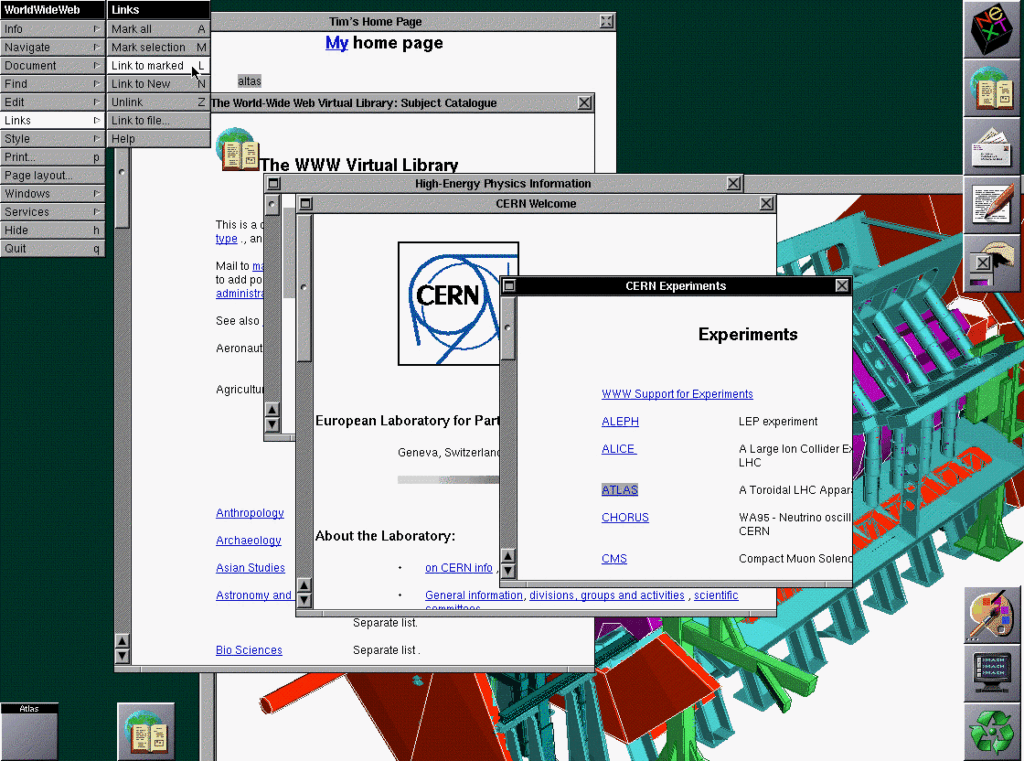
It was quite different from the ones we use today, but it was the starting point for this whole digital revolution. Another fun fact is that modern browsers let you install extensions, small tools that can help you do everything from organizing your productivity to blocking ads.

If you want to install an ad blocker in your browser in a completely safe way, go to this link.
The web browser is an essential tool in our daily lives, connecting us to a universe of possibilities. Now that you understand how it works, you can look at it with new eyes and even explore its features further. After all, it is much more than just a window to the internet: it is your gateway to the digital world.
Did you enjoy learning more about browsers? Keep following our blog for more easy-to-follow content about the world of technology!